
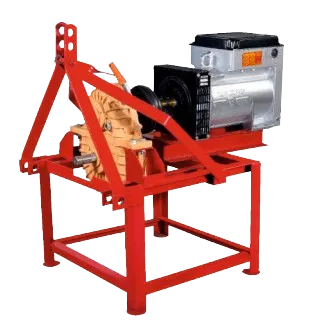

Modern farming depends on reliable electricity for irrigation, lighting, tools, storage, and essential machinery. A Tractor Generator provides a practical way to produce power when grid electricity is unavailable or unreliable. Because it can use a tractor as its driving source, this setup offers useful flexibility for farms, workshops, and rural operations. Atop Generators supplies generator solutions designed around practical power requirements. Moreover, the right unit can help reduce downtime during important agricultural tasks. With proper sizing, installation, and maintenance, users can achieve dependable performance while making better use of existing farm equipment.
Tractor Generator for Efficient Farm Power
A Tractor Generator converts mechanical energy from a tractor into electrical energy for different applications. This arrangement can be especially useful where dedicated standby generators are not always practical. Farmers can connect a compatible generator to the tractor and produce electricity when required. As a result, one existing machine can support several essential power needs.
The system can provide electricity for irrigation pumps, lighting systems, fans, tools, and other farm equipment. However, users should calculate their electrical requirements before selecting a model. Correct sizing prevents excessive loading and supports smoother operation. Therefore, capacity, voltage, frequency, and tractor compatibility should remain important selection factors.
Tractor Generator Design and Performance
A well-designed Tractor Generator should work efficiently with the tractor’s available mechanical power. The generator must match the tractor’s power output and operating speed to achieve suitable electrical performance. Furthermore, proper coupling helps maintain stable operation and reduces unnecessary mechanical stress.
Performance also depends on winding quality, insulation, voltage regulation, cooling, and overall construction. Therefore, buyers should examine technical specifications instead of choosing equipment only according to price. Atop Generators focuses on practical generator solutions that can support different operating requirements.
In addition, users should consider the environment where the generator will operate. Dust, moisture, heat, and frequent movement can affect equipment performance. Selecting a suitable configuration can help maintain dependable output under demanding agricultural conditions.
Key Benefits of a Tractor Generator
A Tractor Generator offers several practical advantages for agricultural users. First, it can use an existing tractor rather than requiring a separate engine for power generation. This feature can make the system convenient for farms that already own compatible tractors.
Second, mobility makes the equipment useful across different areas. Users can move the tractor and generator combination to locations where electricity is needed. Consequently, farmers may use one power solution for irrigation, construction work, maintenance, or emergency backup.
Third, the arrangement can reduce the need for additional engine-driven equipment. Since the tractor supplies mechanical power, users can benefit from equipment already available on the farm. Nevertheless, proper matching remains essential for safe and efficient operation.
Tractor Generator Selection Factors
Choosing the right Tractor Generator begins with understanding the required electrical load. List all equipment that may operate simultaneously and determine its running wattage. Next, identify motors and pumps that require higher starting power. This information helps users select an appropriate generator capacity.
The tractor’s available horsepower also matters. A generator that demands more mechanical power than the tractor can provide may deliver poor performance and place unnecessary stress on the system. Therefore, check manufacturer specifications carefully before purchase.
Users should also review voltage requirements, frequency, connection arrangements, protection features, and construction quality. Additionally, consider the frequency of use and the location of operation. These factors can influence the most suitable generator configuration for long-term agricultural use.
Tractor Generator Applications on Farms
A Tractor Generator can support many everyday farming activities. Irrigation is one important application because water pumps may need electricity in areas with inconsistent grid supply. Farmers can also use generated power for lighting barns, operating workshop tools, running ventilation equipment, and supporting storage facilities.
During harvest and maintenance seasons, reliable electricity can help keep essential tasks moving. For example, portable power can support repairs or temporary work areas away from permanent electrical connections. Moreover, rural businesses can use compatible generator systems for backup power during interruptions.
Because applications vary, users should assess their actual loads before installation. A properly selected unit can provide useful power without unnecessary capacity or operating costs.
Installation and Maintenance Practices
Correct installation is essential for safe and dependable Tractor Generator operation. The tractor and generator should be connected according to the manufacturer’s recommended procedures. Proper alignment, secure connections, and suitable operating speed can help reduce mechanical problems.
Before operation, inspect cables, couplings, mounting points, and protective components. During use, monitor unusual vibration, excessive heat, strange sounds, or unstable electrical output. If an issue appears, stop the equipment and investigate it promptly.
Regular maintenance also supports longer service life. Clean the generator regularly, inspect electrical connections, and follow recommended inspection schedules. Furthermore, keep the equipment protected from unnecessary moisture and contamination. A consistent maintenance routine can reduce avoidable interruptions and support dependable performance.
air cooled generator manufacturers
When comparing air cooled generator manufacturers, buyers should consider engineering quality, product specifications, compatibility, service support, and maintenance guidance. A reliable manufacturer should provide clear information about generator capacity, operating requirements, construction, and application suitability. Customers should also evaluate whether the manufacturer can support their specific agricultural or commercial needs. Atop Generators focuses on dependable power equipment and practical assistance, helping users consider important technical factors before choosing a suitable generator solution. Therefore, reviewing both product quality and after-sales support can contribute to a more confident purchasing decision.
Why Choose Atop Generators
Atop Generators understands that reliable agricultural power requires more than simply selecting a generator with a suitable rating. A Tractor Generator must operate effectively with the tractor, connected equipment, and working environment. Therefore, users should evaluate the complete system before making a final decision.
The brand emphasizes practical solutions for customers seeking dependable power equipment. By considering capacity, compatibility, operating conditions, and maintenance needs, buyers can select equipment with greater confidence. In addition, proper guidance can help prevent common problems caused by incorrect sizing or unsuitable installation.
For farms and rural operations, this practical approach can make generator selection easier while supporting consistent power availability.
Long-Term Value and Reliability
A Tractor Generator can deliver strong practical value when it is correctly selected and maintained. Instead of purchasing a separate engine solely for electricity production, users can take advantage of compatible tractor equipment already available on the property. This can make the system useful for seasonal and emergency requirements.
However, long-term reliability depends on correct operation. Users should avoid overloading the generator and should follow recommended speed and maintenance procedures. Likewise, regular inspections can identify wear before it develops into a major issue.
Atop Generators encourages users to focus on application needs, technical specifications, and dependable construction. Such careful planning can help create a practical power solution for demanding agricultural environments.
Conclusion
A Tractor Generator provides a flexible approach to producing electricity for farms, workshops, and rural operations. Its ability to use a compatible tractor as the power source makes it convenient for many applications. With accurate load calculations, proper tractor matching, careful installation, and regular maintenance, users can achieve dependable performance.
Atop Generators offers practical generator solutions for customers who value reliable power and efficient equipment selection. By evaluating capacity, compatibility, operating conditions, and service requirements, buyers can choose a system that supports their everyday needs. Ultimately, a properly selected Tractor Generator can help maintain essential operations when dependable electricity matters most.


